


Robotics Noise Reduction Guide: Lubrication Materials and Design Optimization
Date:2026-06-23 13:25:06 Browse:262 Author:优宝新材料科技
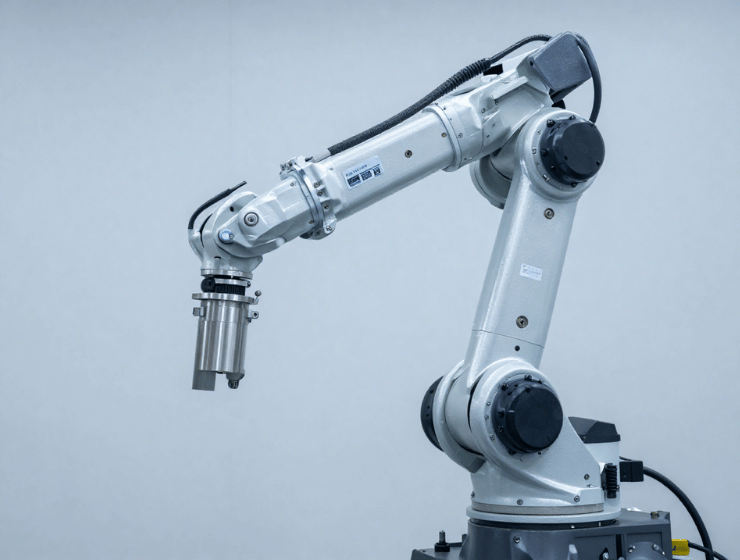
As industrial robots continue to expand into precision manufacturing, medical equipment, and service applications, noise control has become an increasingly important performance indicator.
In many cases, noise is not only a matter of user experience, but also a reflection of system stability, material compatibility, and long-term reliability.
Instead of focusing solely on troubleshooting, optimizing materials and structural design from the beginning can significantly improve noise performance.
1. Understanding Noise in Robotic Systems
Noise in robotic systems typically originates from multiple sources, including mechanical friction, micro-vibrations, and structural instability.
In precision components such as robot joints and transmission systems, even small variations in friction or alignment can result in noticeable sound changes.
Therefore, effective noise reduction requires a comprehensive approach rather than a single-point solution.
2. Role of Lubrication in Noise Reduction
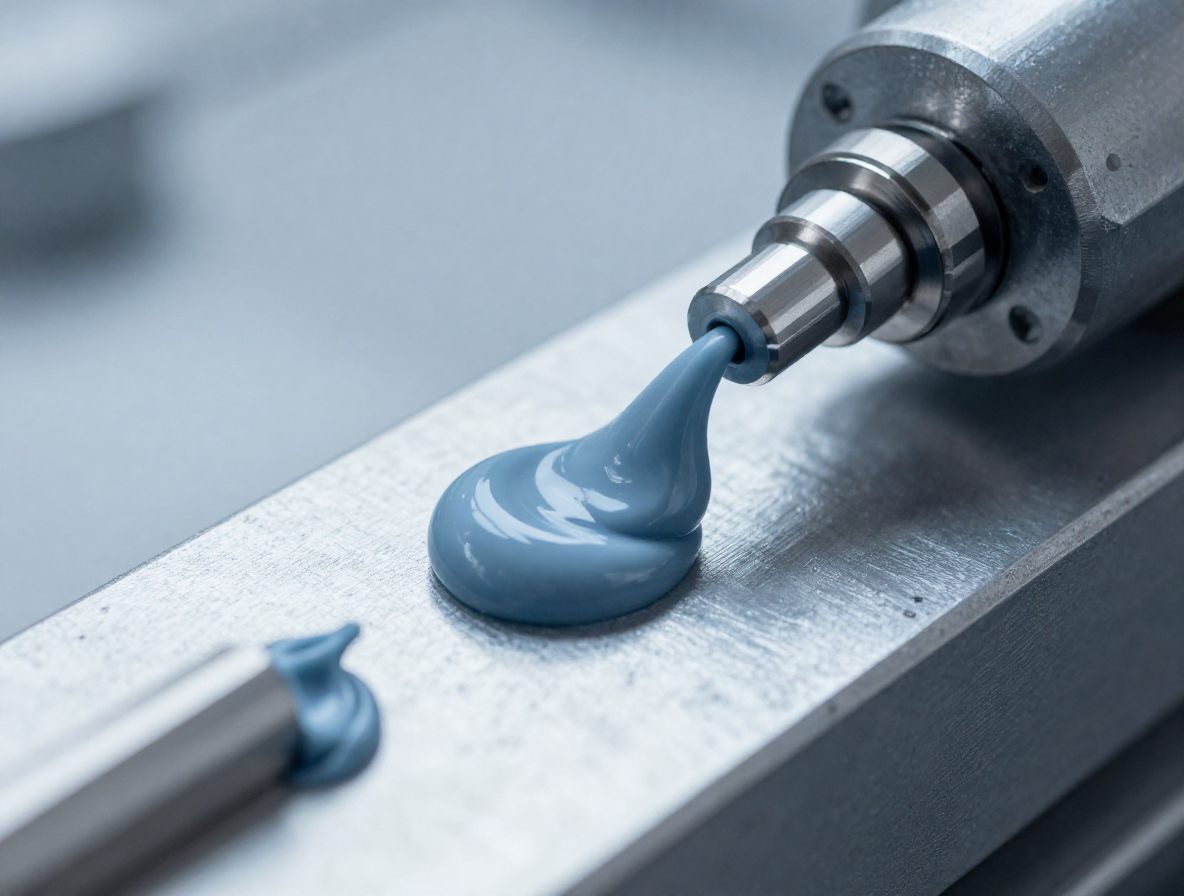
Lubrication plays a critical role in minimizing friction and controlling vibration behavior.
For robotic applications, lubricants are expected to provide:
Low friction coefficient
Stable lubrication film
Good damping characteristics
Long-term consistency
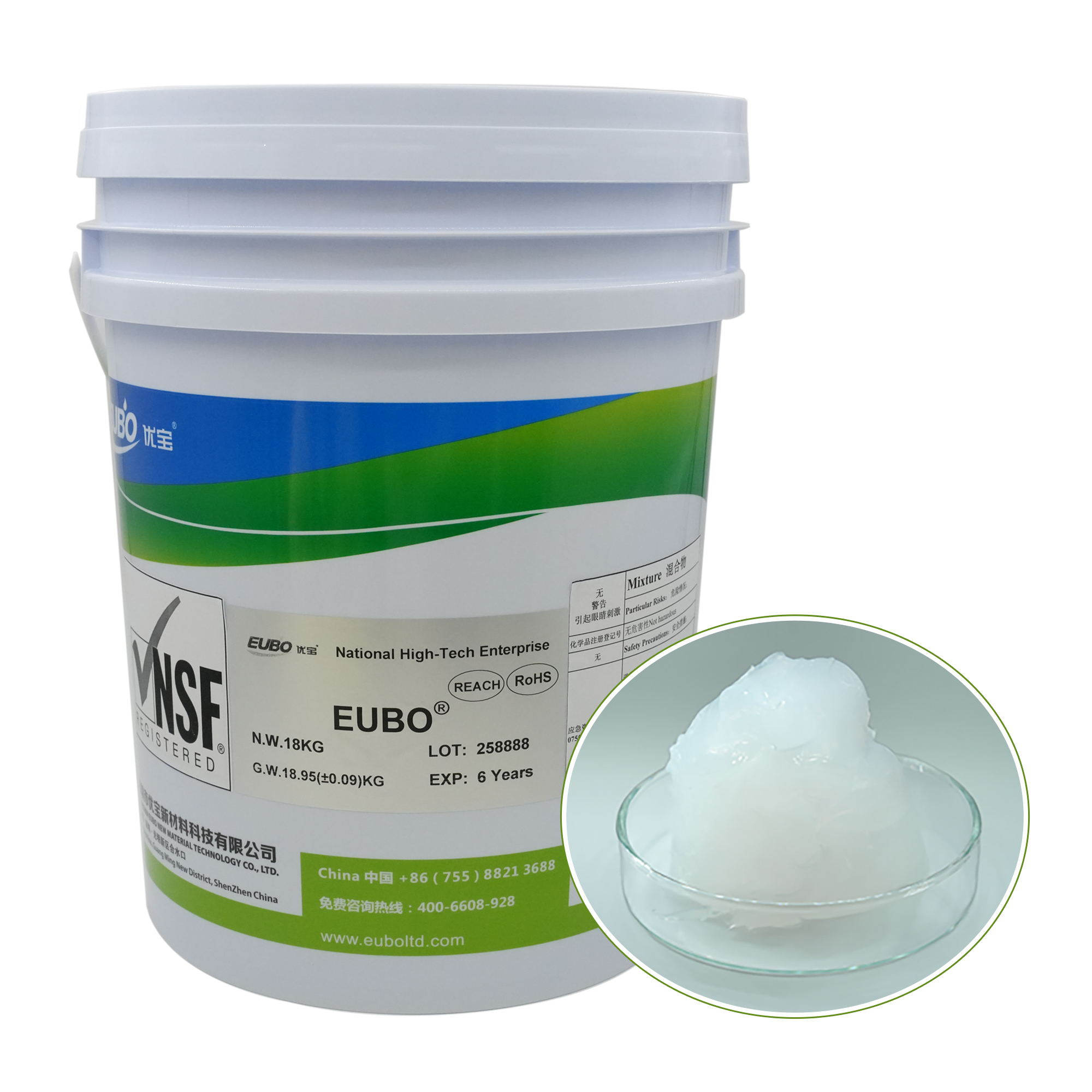
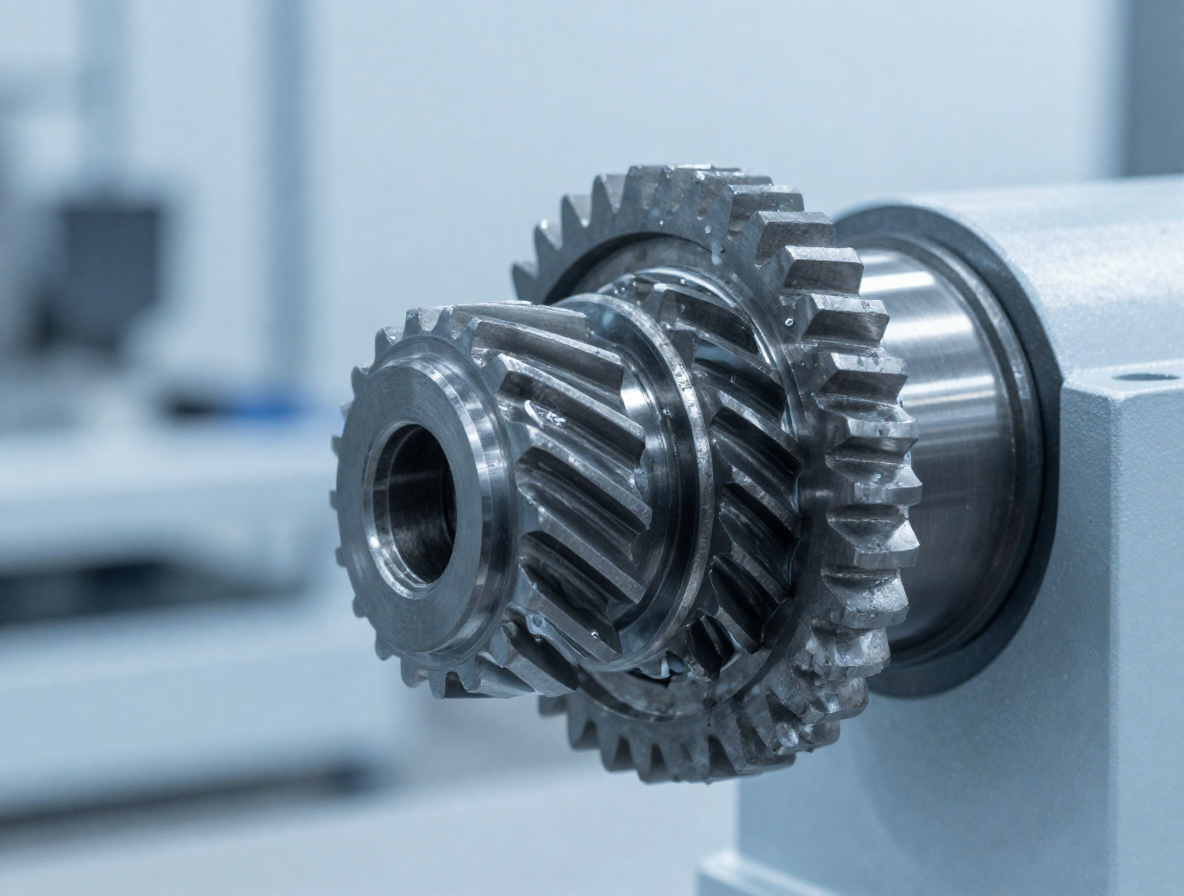
Low-noise lubricating greases are commonly used in precision robotic joints and gear systems. These materials help reduce metal-to-metal contact and stabilize motion behavior, which directly contributes to quieter operation.
Selecting the right lubricant is often the first and most important step in noise optimization.
3. Surface Coating for Enhanced Performance
In high-load or long-life applications, lubrication alone may not be sufficient to maintain consistent performance.
Functional coatings can be applied to critical surfaces to:
Reduce direct contact between components
Provide additional wear resistance
Maintain stability under challenging conditions
Anti-wear coatings and dry-film lubricants are particularly useful in areas where relubrication is difficult or where consistent performance is required over long periods.
4. Structural Stability and Adhesive Solutions
Noise is not only related to friction but also to structural stability.
Small gaps, looseness, or micro-movements within assemblies can amplify vibration and lead to unwanted noise.
In such cases, structural adhesives and UV-curing adhesives can be used to:
Improve bonding strength
Reduce micro-movements
Enhance overall structural integrity
Although adhesives are not direct noise-reduction materials, they play an important supporting role in achieving stable and quiet operation.
5. Integrated Material Optimization Strategy
In practical applications, optimal performance is usually achieved through a combination of materials rather than relying on a single solution.
A typical approach includes:
Lubricating grease for friction reduction
Functional coatings for surface protection
Adhesives for structural stability
By combining these elements, manufacturers can achieve better noise control, improved durability, and more stable operation.
6. Conclusion
Noise reduction in robotic systems is a multi-dimensional challenge that involves lubrication, surface engineering, and structural design.
By selecting appropriate materials and optimizing their combination, it is possible to significantly improve system performance and long-term reliability.
Shenzhen Youbao Advanced Materials provides a range of lubrication materials, functional coatings, and adhesive solutions tailored for robotic applications.